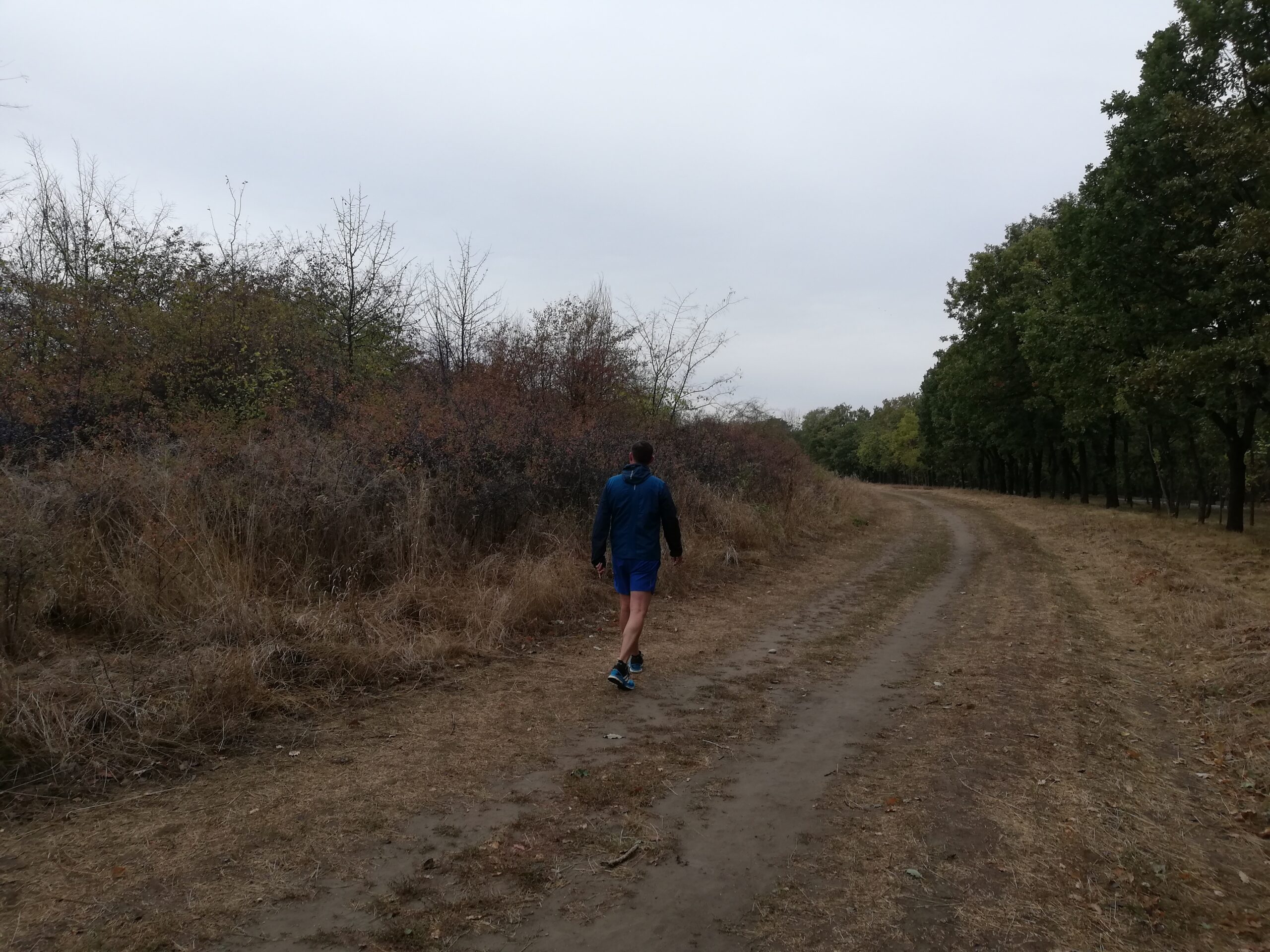
Summer is a double-edged sword for runners. Longer days and no more layering up sounds great — until you’re three kilometres into a tempo run and the heat hits you like a wall. Rising temperatures, humidity, and intense sun exposure all place extra stress on your body, and ignoring that reality can lead to anything from sluggish performances to serious heat-related illness.
The good news? With the right adjustments to your routine, summer can actually be one of the most productive training blocks of the year. Heat adaptation builds cardiovascular fitness, and the lessons you learn about pacing and fuelling will pay dividends when autumn race season arrives.
Here are the essential summer running tips to keep you safe, healthy, and running strong through the hottest months.
1. Run at the Right Time of Day
This is the single biggest lever you can pull in summer. The difference between running at 6:00 AM and 1:00 PM can easily be 10–15°C, and the impact on your body is enormous.
Early morning is the gold standard for summer running. Temperatures are at their lowest, UV exposure is minimal, and the air tends to be calmer. If you’re training for a specific race, most major events start in the morning anyway, so this aligns your body clock with race-day conditions.
Late evening is the next best option, though be aware that roads and pavements may still be radiating stored heat from the day. If you run after dark, make sure you’re visible with reflective gear or a headlamp.
Avoid the 11 AM – 3 PM window whenever possible. This is when UV radiation peaks and temperatures are at their highest. If your schedule forces a midday run, keep it short and easy — this is not the time for intervals.
2. Hydrate Before, During, and After
Dehydration is the most common and most preventable issue for summer runners. When it’s hot, your body diverts more blood to the skin for cooling, which means less blood is available to deliver oxygen to your muscles. Add sweat losses on top of that and performance drops fast.
Before your run: Aim to drink 400–600 ml of water in the two hours before heading out. Sip steadily rather than gulping it all at once. If your run is longer than an hour, consider adding an electrolyte tablet or a pinch of salt to your pre-run water.
During your run: For runs over 45 minutes in the heat, carry water. A handheld bottle or a hydration vest makes this easy. Aim for 150–250 ml every 15–20 minutes, depending on your sweat rate and the conditions. Don’t wait until you feel thirsty — by that point, you’re already dehydrated.
After your run: Rehydrate with water and electrolytes. A simple rule of thumb: drink 1.5 times the fluid you lost during the run. If you weighed 70 kg before and 69 kg after, that’s roughly 1 litre lost — so aim for 1.5 litres in the hours afterward.
3. Adjust Your Pace and Expectations
Here’s the truth every summer runner needs to accept: you will be slower in the heat, and that’s completely normal. Research consistently shows that performance degrades as temperatures rise above 12–15°C, and by the time you’re running in 30°C+ conditions, you can expect to be 10–20% slower at the same effort level.
The key is to run by effort, not by pace. Your easy runs should feel easy, your tempo runs should feel comfortably hard — regardless of what the watch says. If your usual easy pace is 5:30/km and the heat pushes that to 6:00/km, that’s fine. You’re still getting the same physiological benefit.
Trying to force your normal paces in extreme heat is a fast track to overheating, injury, or burnout. Be patient. When the temperatures drop in autumn, you’ll likely find your “normal” paces feel easier than ever — that’s the heat adaptation dividend paying off.
4. Choose the Right Gear
What you wear in summer matters more than you think. The right kit helps your body regulate temperature; the wrong kit traps heat and accelerates fatigue.
Fabrics: Opt for lightweight, moisture-wicking technical fabrics. Cotton absorbs sweat and clings to your skin, making you feel heavier and hotter. Look for singlets or t-shirts with mesh panels for extra ventilation.
Colour: Light-coloured clothing reflects sunlight, while dark colours absorb it. A white or light grey singlet can make a noticeable difference on a sunny day compared to black.
Hat and sunglasses: A light, breathable running cap shields your face from direct sun and helps keep sweat out of your eyes. Running-specific sunglasses with UV protection reduce eye strain and glare, especially on exposed routes.
Sunscreen: Apply a sport-specific, sweat-resistant SPF 30+ sunscreen at least 15 minutes before your run. Reapply if you’re out for more than 90 minutes. Ears, neck, and the backs of your hands are commonly missed spots.
5. Plan Your Route Strategically
Your favourite exposed canal towpath or seafront route might be perfect in March, but in July it can turn into an oven with no escape. Think about your route choices differently in summer:
- Seek shade: Park trails, tree-lined streets, and wooded paths offer natural cover from direct sun. Even partial shade can lower the effective temperature you experience by several degrees.
- Water access: Plan loops that pass water fountains, shops, or your car so you can top up fluids. Out-and-back routes are useful because you can stash a bottle at the turnaround point.
- Surface matters: Asphalt absorbs and radiates more heat than grass or trail surfaces. If you have the option, softer surfaces in shaded areas will feel significantly cooler underfoot.
- Elevation: Higher-altitude routes tend to be cooler. If you’re near hills or mountains, heading uphill can offer a welcome temperature drop.
6. Understand Heat Acclimatization
Your body is remarkably good at adapting to heat — but it takes time. Heat acclimatization is a real physiological process that produces measurable changes: your blood plasma volume increases, you start sweating earlier and more efficiently, your core temperature stays lower at a given effort, and your heart rate decreases.
The process takes roughly 10–14 days of consistent heat exposure during exercise. Here’s how to approach it safely:
- Start easy: In the first week of hot weather, reduce your intensity and volume by 20–30%. Let your body adapt before pushing the pace.
- Build gradually: Add back intensity and duration over 7–14 days. Don’t rush it — your cardiovascular system needs time to make the adaptations.
- Be consistent: Running in the heat three to four times a week is more effective for acclimatization than one brutal session followed by days in air conditioning.
- Respect setbacks: If you travel from a cooler climate to a hot race destination, give yourself at least a week to acclimatize before the event.
Once acclimatized, you’ll notice a clear difference — the same conditions that floored you two weeks ago will feel manageable. This is one of the hidden benefits of summer training.
7. Recognise the Warning Signs of Heat Illness
Every runner should know the signs of heat-related illness. Catching it early can be the difference between cutting a run short and ending up in hospital.
Heat cramps — muscle spasms, usually in the legs or abdomen — are often the first sign that your body is struggling. Stop, hydrate, and stretch gently.
Heat exhaustion presents as heavy sweating, nausea, dizziness, headache, weakness, or a rapid heartbeat. If you experience any of these, stop running immediately. Move to shade, drink fluids, and cool your body with cold water on your neck, wrists, and forehead. Seek medical attention if symptoms don’t improve within 15–20 minutes.
Heatstroke is a medical emergency. Symptoms include confusion, loss of coordination, hot and dry skin (sweating may stop), and a very high core temperature. Call emergency services immediately — do not try to “run it off.”
A good rule of thumb: if something feels wrong, stop. No single run is worth risking your health.
8. Fuel Smarter in the Heat
Heat suppresses appetite for many runners, which creates a risky cycle: you eat less, your energy stores drop, and your body has fewer resources to manage both running and cooling. Summer is not the time to skip meals or underfuel.
Pre-run: Eat a light, easily digestible meal 90–120 minutes before running. A banana with peanut butter, a small bowl of oatmeal, or toast with honey all work well. Avoid heavy, high-fat meals that take longer to digest.
During long runs: If you’re out for more than 60–75 minutes, take on 30–60 grams of carbohydrates per hour from gels, chews, or sports drinks. In the heat, liquid calories (like a carbohydrate drink) can be easier on the stomach than solid food.
Post-run: Prioritise recovery nutrition within 30–60 minutes of finishing. A combination of carbohydrates and protein helps replenish glycogen stores and kickstart muscle repair. Cold smoothies, yoghurt with fruit, or chocolate milk are popular summer recovery options.
9. Use Your Summer Training to Build Autumn Fitness
Summer is prime base-building season for runners targeting autumn races. The physiological adaptations from heat training — increased blood plasma volume, improved sweat response, lower resting heart rate — translate directly into better performance when temperatures cool down.
Many elite coaches deliberately incorporate heat training blocks for this reason. Think of your summer runs as an investment: the slower paces and tough sessions now are building a bigger aerobic engine for later.
Use this period to:
- Build your weekly mileage gradually, focusing on easy-effort volume.
- Work on strength and mobility — cross-training sessions in a gym or at home can complement your running without the heat stress of outdoor miles.
- Scout autumn races and put them on your calendar. Having a goal race on the horizon keeps motivation high through the toughest summer sessions.
- Log every run so you can look back and see how your fitness evolved once the cooler weather arrives and your times start dropping.
10. Listen to Your Body — Always
The most important summer running tip is also the simplest: pay attention to how you feel. The heat introduces a variable that’s harder to control than distance, pace, or terrain. Some days you’ll feel great; other days the same run will feel impossibly hard. Both are normal.
Be willing to modify the plan. Cut a run short if you’re overheating. Swap an outdoor tempo session for a treadmill workout in air conditioning if the heat index is dangerous. Move a long run to a cooler day. Flexibility isn’t weakness — it’s smart training.
The runners who thrive in summer are the ones who respect the conditions, make intelligent adjustments, and stay consistent over weeks and months. The heat is temporary. The fitness you build is not.